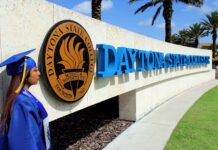
DAYTONA BEACH, FLA. (June 10, 2026) – Daytona State College’s undergraduate Elementary Education program has earned an A+ rating from the National Council on Teacher Quality (NCTQ) for how well it prepares future teachers to teach children to read.
The recognition comes in NCTQ’s new report, “Teacher Prep Review: Decoding Progress in Reading Preparation,” which highlights programs that effectively train future educators in the core components of reading instruction, including phonemic awareness, phonics, fluency, vocabulary and comprehension.
“Learning to read is one of the most important milestones in a child’s education because it impacts everything that follows,” said Daytona State College President Dr. Tom LoBasso. “Preparing teachers to help students become confident readers is incredibly important work, and I’m proud of the care and commitment our faculty bring to that mission every day.”
Students who graduate from Daytona State’s Bachelor of Science in Elementary Education program earn Reading and English for Speakers of Other Languages (ESOL) endorsements while gaining classroom experience through structured clinical placements in local public schools.
“Our faculty have spent years making sure the program reflects what research shows actually helps children learn to read,” said Dr. Donald May, Chair of the School of Education. “This recognition reflects their dedication, but more importantly, it means our graduates are entering classrooms prepared to help students succeed from the very beginning.”
To earn an “A” rating, programs had to demonstrate that future elementary teachers receive instruction in all five scientifically based components of reading instruction while limiting teaching methods not supported by research. Programs earning an A+ exceeded those standards and avoided instructional practices unsupported by evidence.
NCTQ’s review process included an in-depth analysis of course syllabi, lecture topics, reading materials, assignments, assessments and classroom practice opportunities within Daytona State’s required literacy courses for elementary education students. The organization’s methodology was developed with input from reading experts, teacher preparation faculty, literacy advocates and measurement specialists.