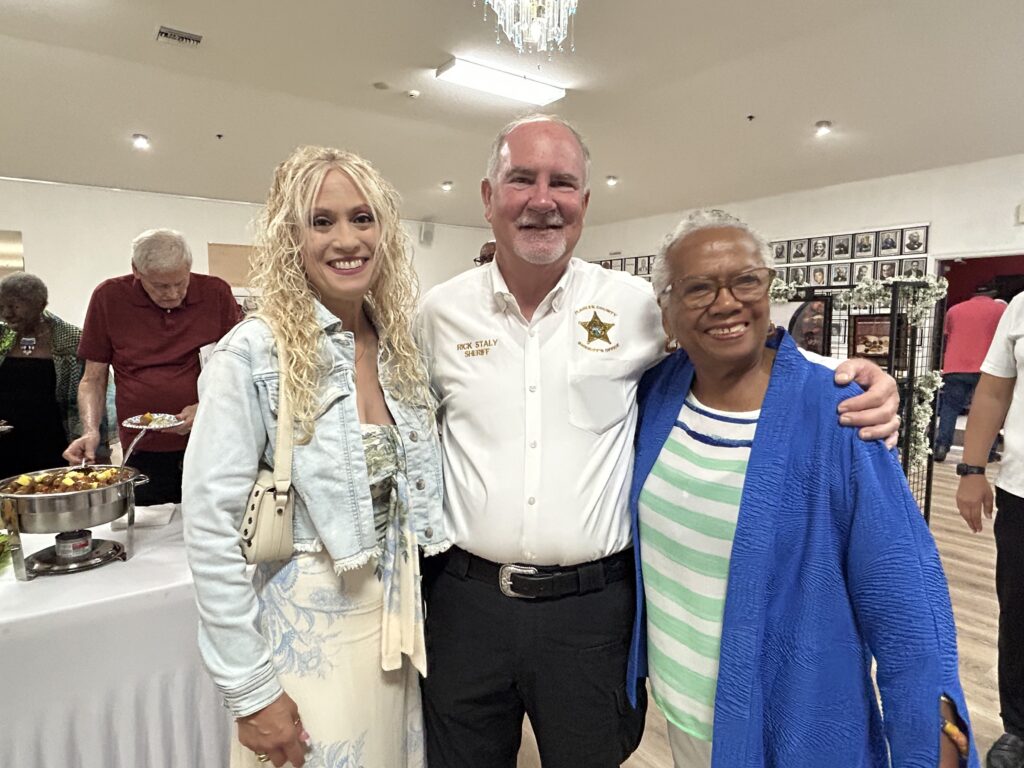









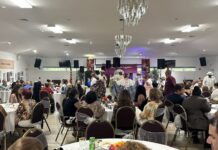





















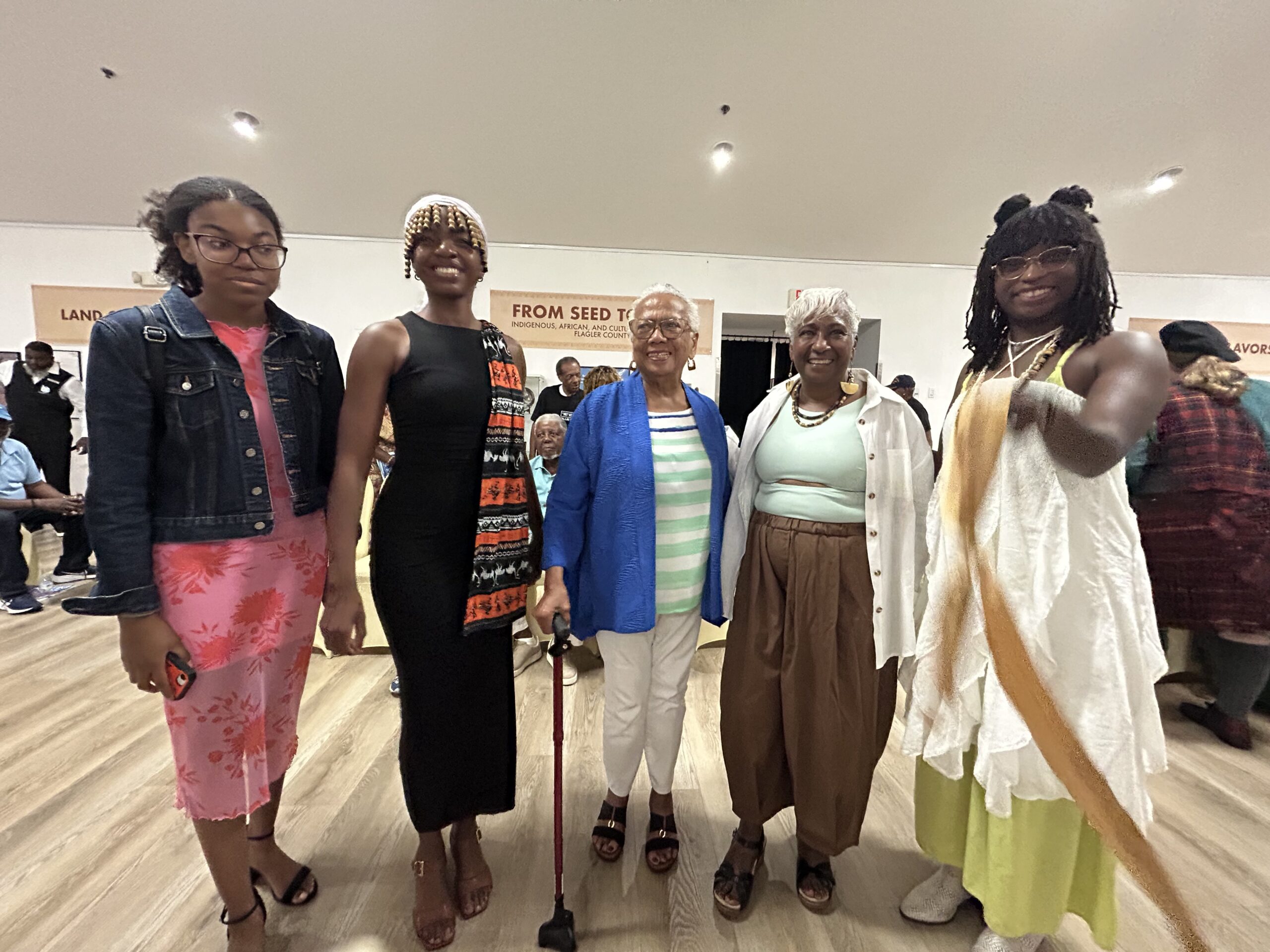
PALM COAST, Fla. — Food is more than nourishment. It is memory, identity, tradition, and connection — a message underscored Friday evening at the opening of the Smithsonian’s From Seeds to Soul exhibition at the African American Cultural Society in Palm Coast.
The exhibit, made possible through a partnership between Florida Humanities, the Smithsonian Institution, and the African American Cultural Society, explores the cultural and historical significance of food and its role in shaping communities.
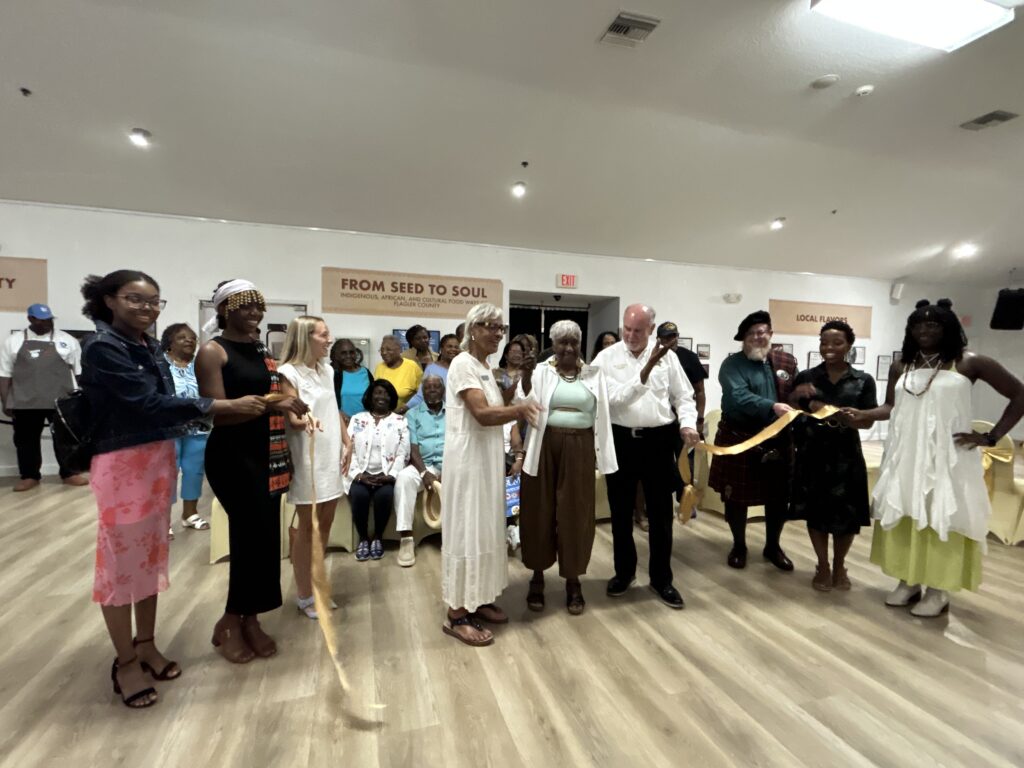
AACS Curator Meshella Woods welcomed guests by emphasizing the universal power of food to connect people.
“Sustenance is important to everybody, but also, I think if you go from the exhibit, you will realize that we really are all part of one another,” Woods said. “Everything we do is very connected and a lot of the traditions and foods that we eat either came out of one or the other or were shared.”
Woods encouraged attendees to not only learn from the exhibit, but to leave with a deeper sense of community.
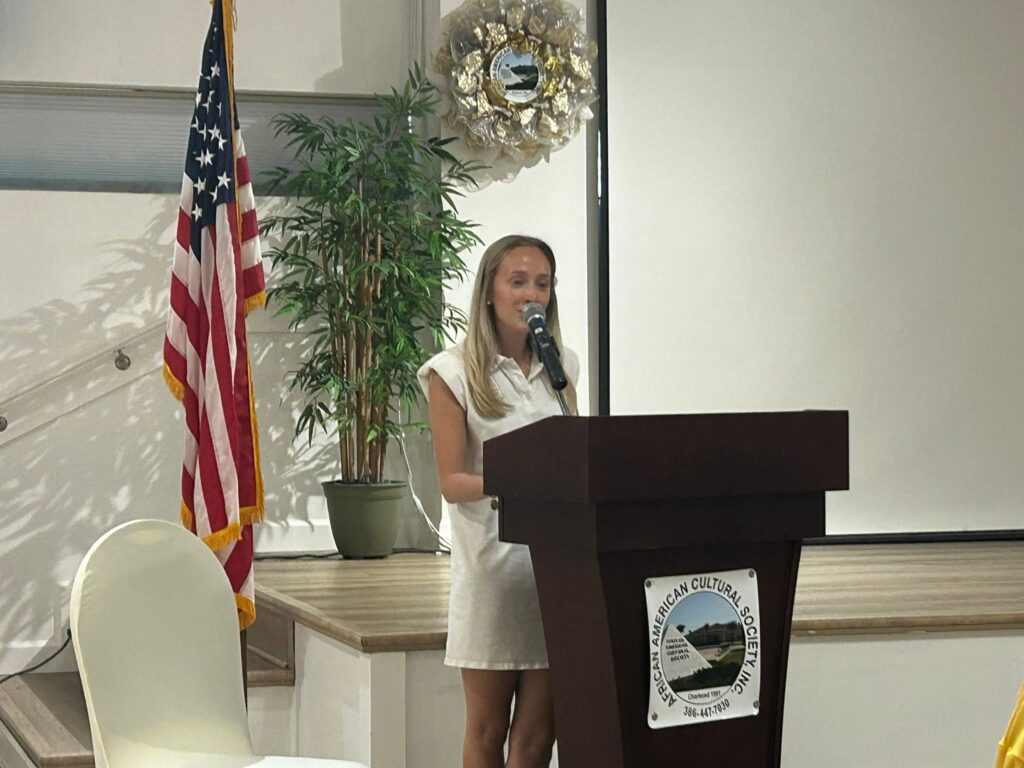
“I hope that as you go to the exhibit… you learn more… about who we are… and also, come away with a little bit more knowledge and history… but also a feeling of connecting to best with other people. And the desire to share with one another.”
Representing Florida Humanities, development strategist Gabrielle Fehring highlighted the statewide nonprofit’s longstanding partnership with the Smithsonian.
“Florida Humanities is a statewide nonprofit dedicated to preserving, promoting, and sharing stories, histories, and cultures that help us better understand one another, our communities and our state,” she said.
For more than two decades, Florida Humanities has worked with the Museum on Main Street program to bring world-class exhibits into smaller communities across the state, reaching more than 370,000 people in 36 counties.
“As we begin commemorating America’s 250th anniversary, exhibitions like this remind us that our nation’s story is best understood through local voices and lived experiences,” she said. “Every recipe, every harvest, every favorite tradition helps us tell the larger story of who we are as Floridians and Americans.”
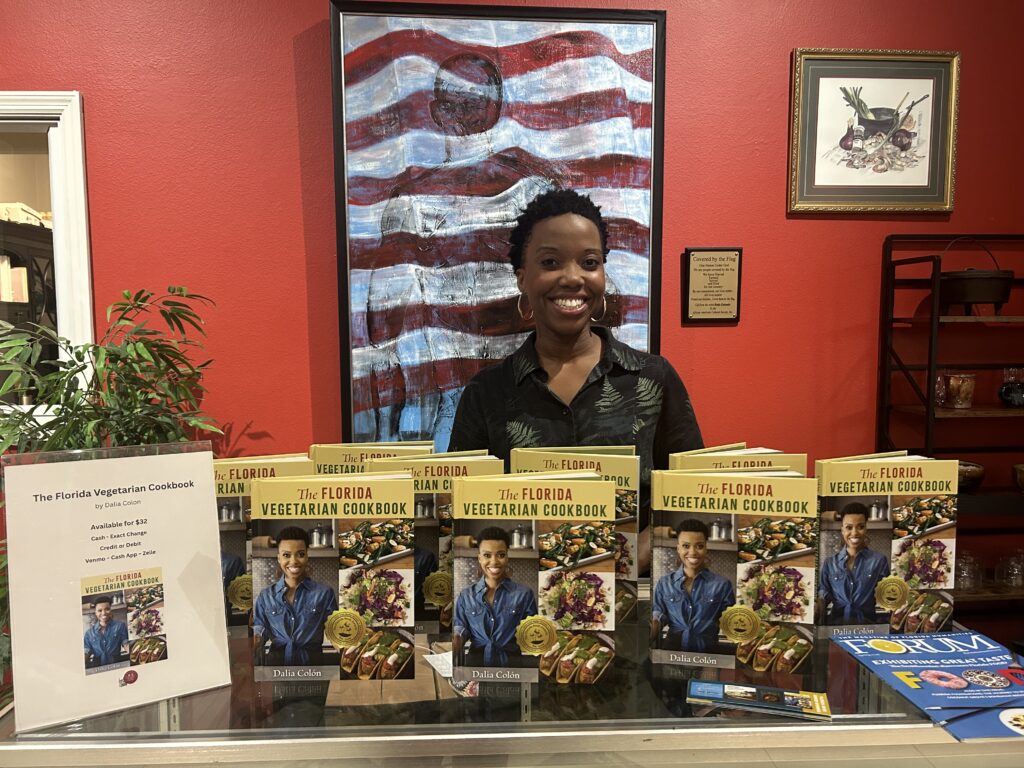
Dalia Colón, a longtime food journalist who served as a consultant on the project, described the exhibit as the culmination of two years of work.
“To see this in person, it feels like a baby has been born.”
She praised the rigorous standards required by the Smithsonian and the local team, especially the trio of young people, that brought the exhibit to life.
“You all should be so proud. Your entire community should really be proud that you have brought into that standard.”
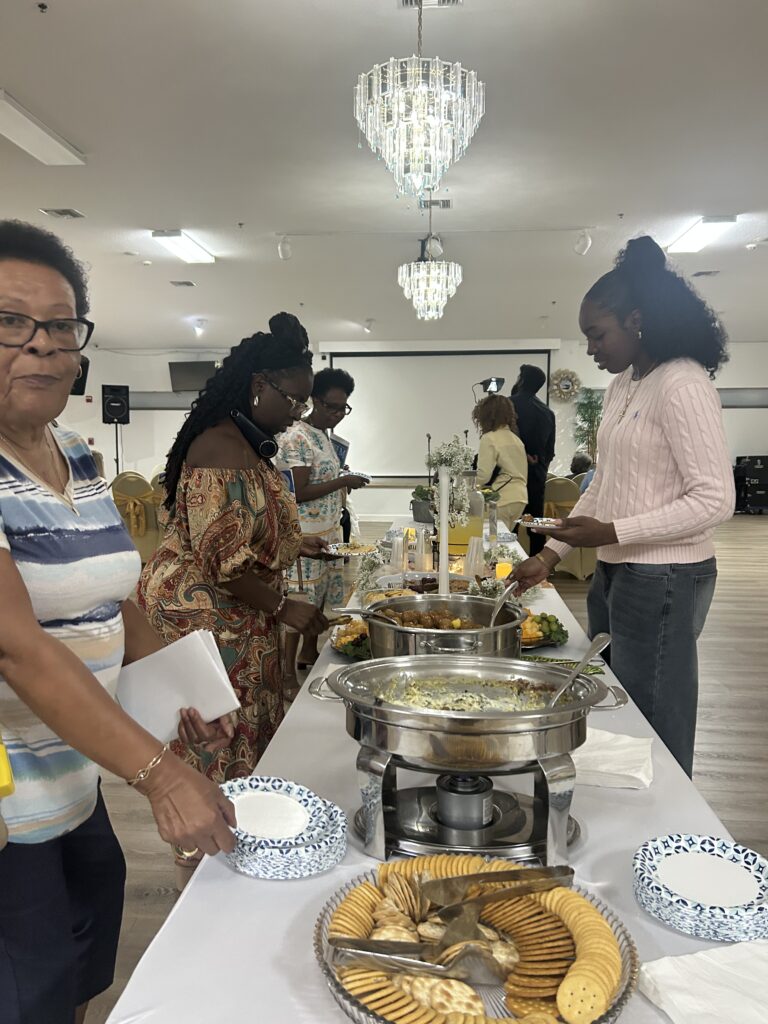
Her remarks turned personal as she reflected on the role food plays in preserving family history.
“There is nothing special about your grandma’s sweet potato pie recipe, just a list of ingredients. What makes it special is the hand that prepared it, the stories behind it,” she said.
She encouraged families to preserve those traditions.
“We are all our own little individual museums. We all have a Smithsonian exhibition inside of us.”
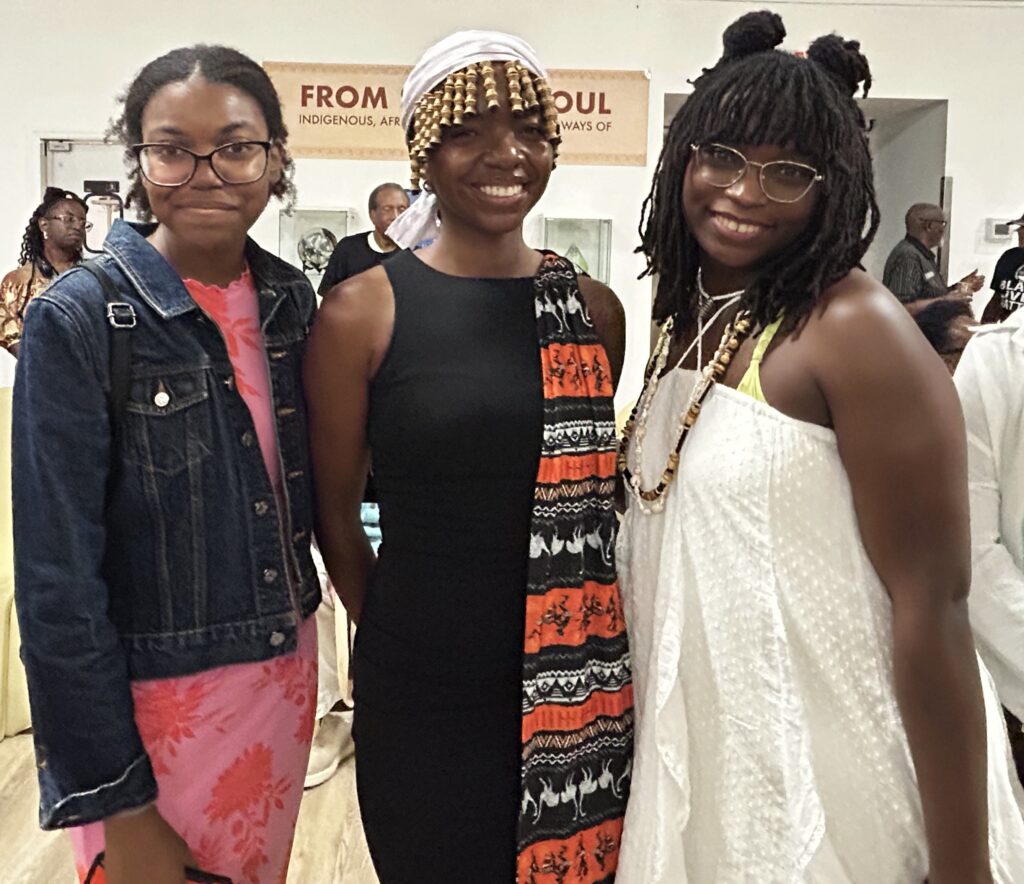
Graphic designer Leonorah Moyo, who helped shape the exhibit’s visual presentation, spoke about the significance of food as a universal language.
“The one thing I’m going to say about the exhibition… is how food transcends… We also do have family gatherings, which matters, and our Christmas, our heritage together.”
Moyo said the exhibit gave her a meaningful opportunity to contribute her artistic talents.
“Designing the graphics was a challenge, a very good one… I was looking at it today, I am very happy.”
Oslyn Bryant, who has deep roots with the African American Cultural Society, reflected on the center’s impact on her own life and the broader community.
“This center has a very special place in my heart, and I understand the potential that it has to not just preserve the culture that we have, but to embrace the new culture, to embrace the talented things that we have here.”
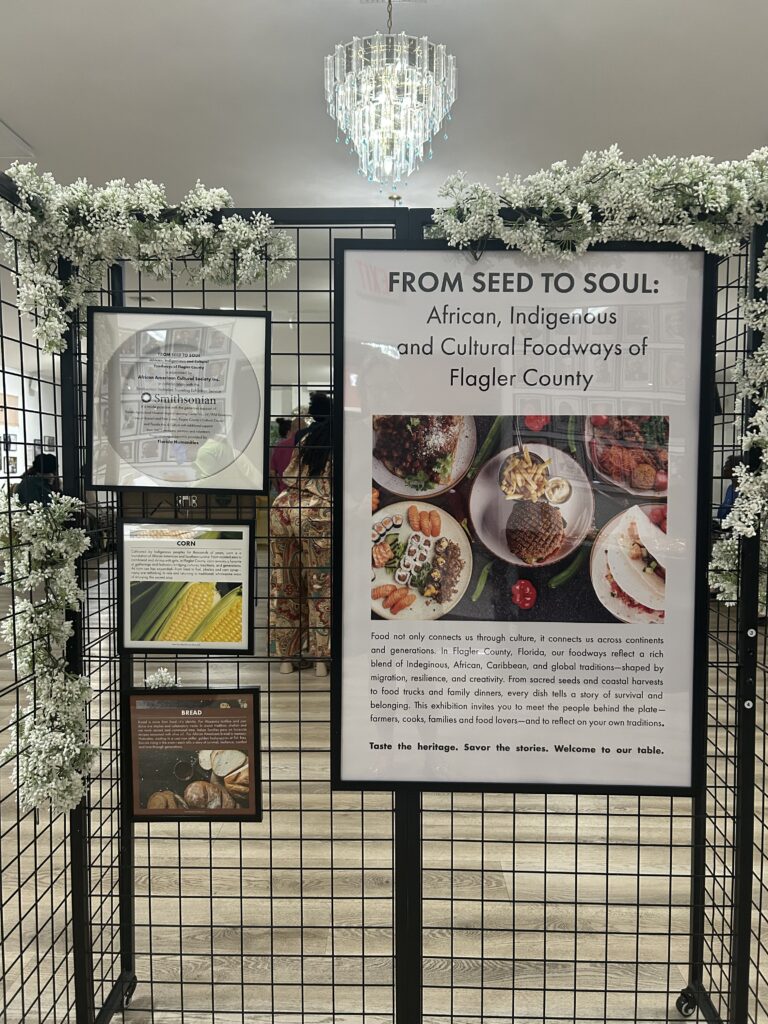
Bryant described food as one of the most powerful tools for understanding history.
“Food is culture. It is what leads to exchange, it’s what leads to appreciation, it’s what leads to innovation.”
She reminded attendees of the importance of gathering together around a table.
“Even the acts of communion… eating together and talking together… this is the way that we, from the beginning of time, have connected.”
Savannah Ryan, assistant curator, also reflected on the immense research and learning involved in bringing the exhibit to life, particularly in understanding how food tells the story of migration, culture, and survival.
Touring the exhibit, visitors will discover familiar Flagler County names and faces woven into the storytelling — local ties that make the journey even more personal. Along the path, one might recognize a Buckles, a Sims, the Golden Lion restaurant, and even former Mayor of Marineland Angela TenBroeck, each sharing their story as part of the broader food narrative.