






































I’m often brought in to do organizational assessments. I once observed an organization where 20% of the workforce consistently produced 80% of the company’s success. Their backs must have been killing them carrying the entire company.
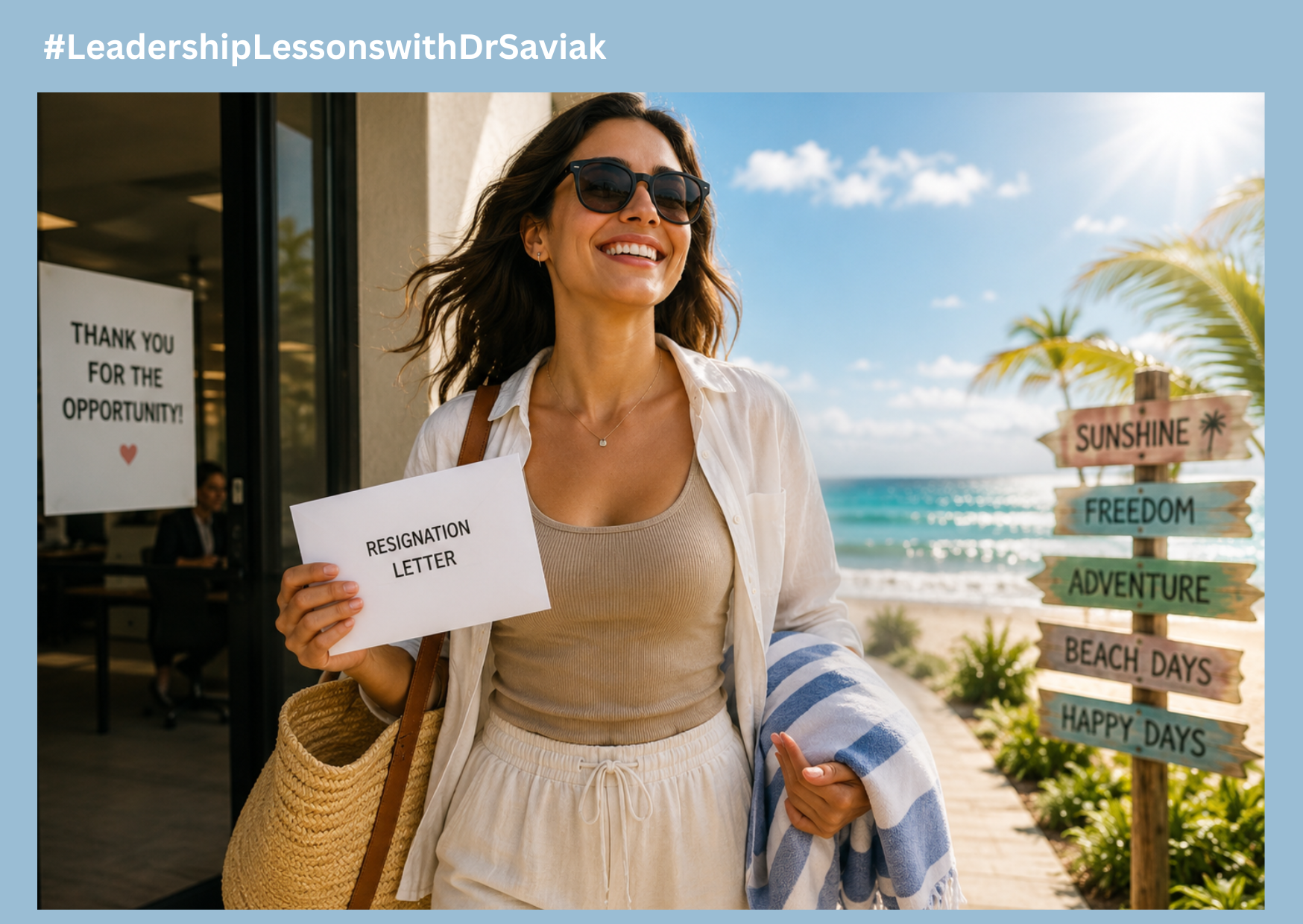
In this case, to make matters worse, the employer never rewarded or recognized them. It is the job of leadership to bring out the best in all of your talent. High performance needs to be resourced, encouraged, supported, and celebrated. Predictably, within five years, every single star was gone and the company sharply declined. Take out the top 20% and you take down the whole company.
This was never a sustainable talent model. You cannot have cross-subsidization of many lower performing employees by a small minority of top talent. It is counterproductive and corrosive to the mission, teamwork, and culture. Professional sports teams may have a star player or two, but he or she is surrounded by highly competent teammates.
It shows a total lack of leadership. Talent recruitment, development, and retention have to a major focus for the leadership each day. Sure enough, they had 3 CEOs who were never ever hired by any other company in their industry during their entire careers which we call a clue.
True loyalty to your team matters. No one likes to be taken advantage of and do their job and someone else’s job. We must always appreciate the team who makes our victories possible. When the company wins, your winners have to win too. Success must be shared if you want it to continue.
So what leadership lessons from this case study do you need to ensure your success?
First, only hire or keep high performers. Secondly, the employer who does not reward and recognize high performers or address low performers or non-performers will always secure two results: a low rate of retention of the right employees and a high rate of retention of the wrong employees. When our talent decides our destiny, you must do everything to identify, recruit, and retain only high performers.
#LeadershipLessonsWithDrSaviak
Sources: Abrashoff, 2002; Blanchard, 2011; Collins, 2001; Drucker, 2001; Grant, 2017; Kotter, 2012; Lencioni, 2012; Maxwell, 1998; Starling, 2007; Welch, 2005.