







































Every time I’m asked to do an organizational health assessment, it happens. The data proves that the organization is missing positive outcomes and experiencing negative results on major metrics.
Question: “Do you have a leadership development program?”
Answer: “Not really.”
This explains the constant concerns from employees that supervisors and managers can’t lead. It is responsible for the organization’s underperformance, recruitment and retention issues, the lack of innovation, and the customer complaints. It accounts for all the issues the data confirms.
In too many organizations, promotions are made on tenure or technical competency but not leadership ability. Other subjective factors may influence promotional decisions like executives and managers playing personal favorites. People are not taught leadership before being promoted or even years after the promotion. These organizations will never attain success. They will secure mediocrity at best. They will continue in chronic dysfunction. Examples abound.
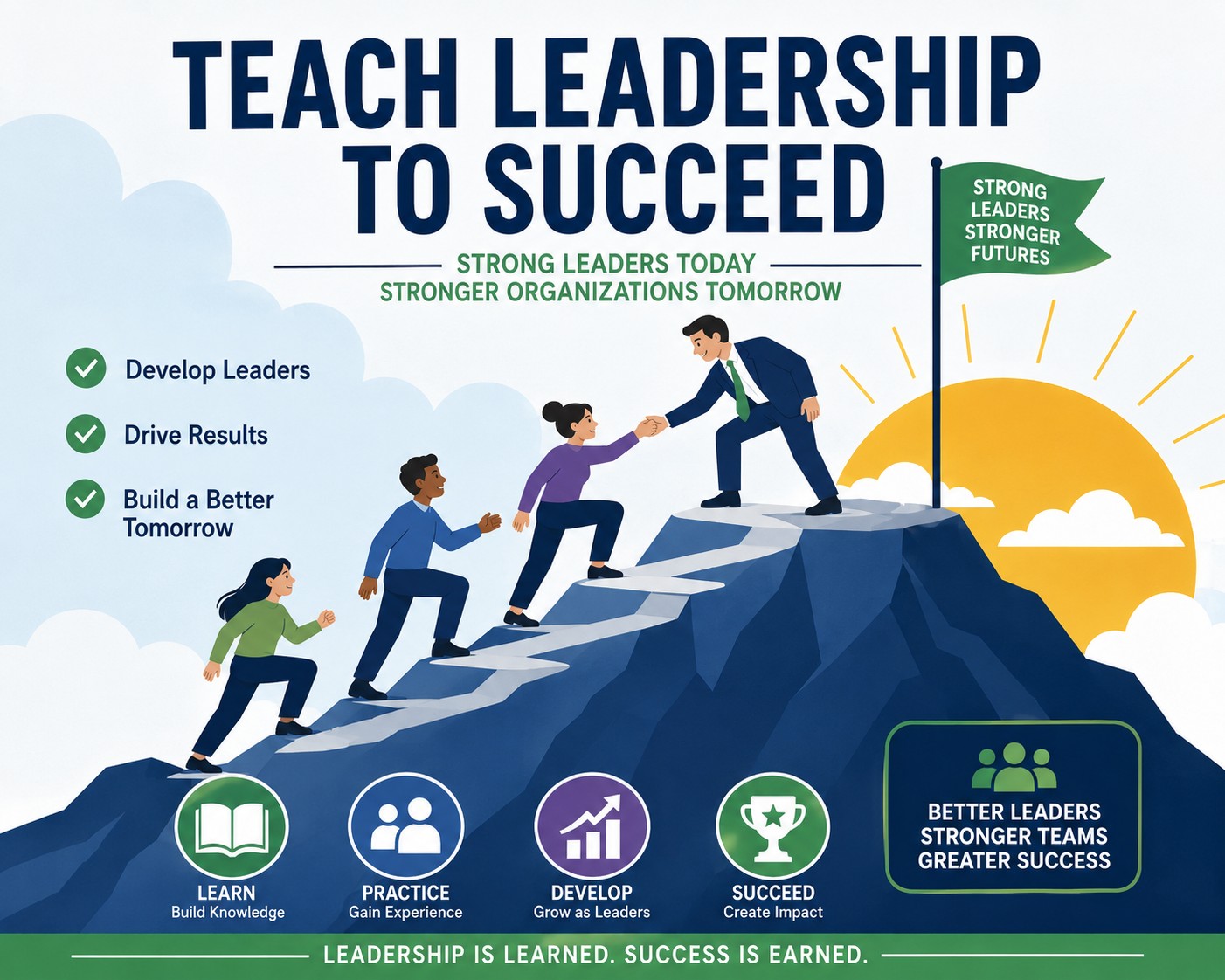
When promoted into a leadership role, the ability to lead is paramount. The solution is simple yet many organizations miss it. Leadership is learned. Employees need to be participating in valuable and best practice leadership development activities long before a promotion. This can mean leadership programs and classes, reading books and articles, viewing videos, listening to podcasts, participating in discussion groups, and spending time with mentors. Newly promoted supervisors need to be ready to succeed on day one in a leadership role.
The threat to organizations and those they serve is people who cannot lead teaching all the wrong thinking and behaviors to those they promote. People train others as they were taught so poor leadership reproduces itself persisting for years or decades.
Every single time you see a top tier organization, you find a culture and priority of growing leaders. I have seen organizations move decades in just a few years when everyone on their team is being taught how to successfully lead.
Sources: Abrashoff, 2002; Blanchard, 2011; Collins, 2001; Drucker, 2001; Grant, 2017; Kotter, 2012; Lencioni, 2012; Maxwell, 1998; Starling, 2007; Welch, 2005.