





























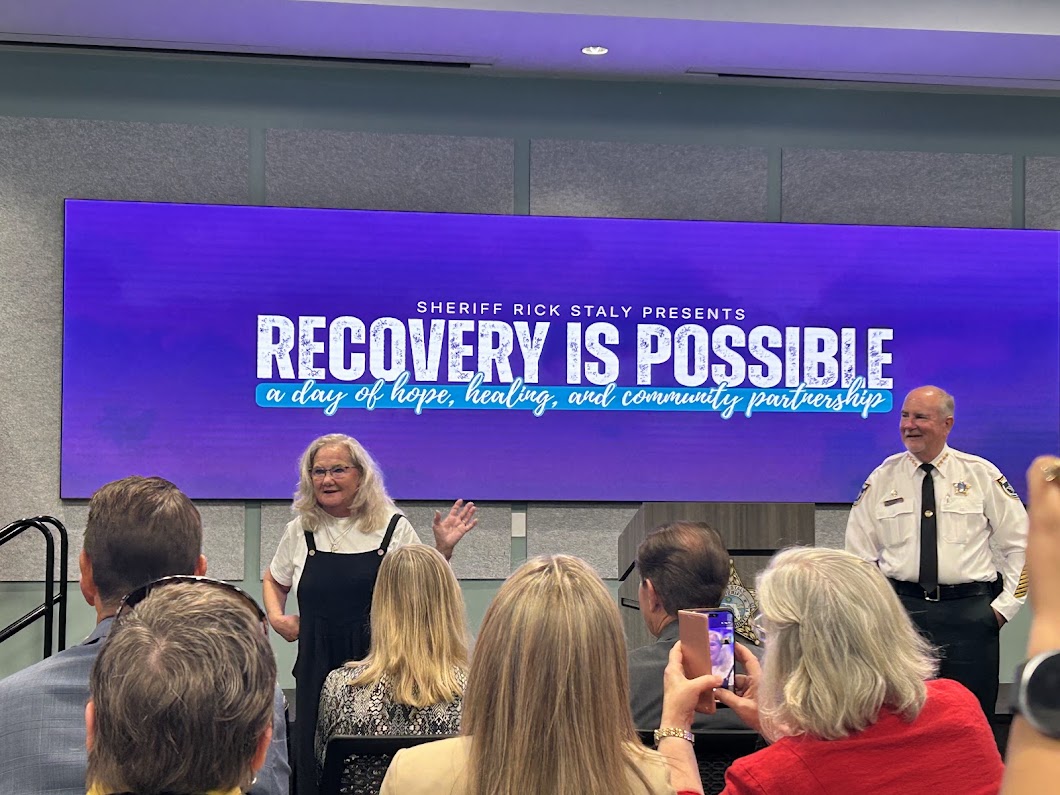
FLAGLER COUNTY, Fla. – For people struggling with addiction, hearing that recovery is possible can feel different when the person delivering that message has lived through the same darkness.
That was the importance of Beverly Vance Aikins’ visit to Flagler County, where her candid account of addiction, recovery and rebuilding her family connected with inmates, recovery advocates, law enforcement leaders and community members.
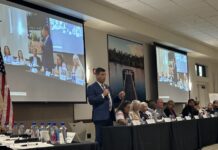
Hosted by the Flagler County Sheriff’s Office, Aikins — who prefers “Miss Bev” — spoke with current participants and graduates of the jail’s SMART recovery program before addressing a community audience.
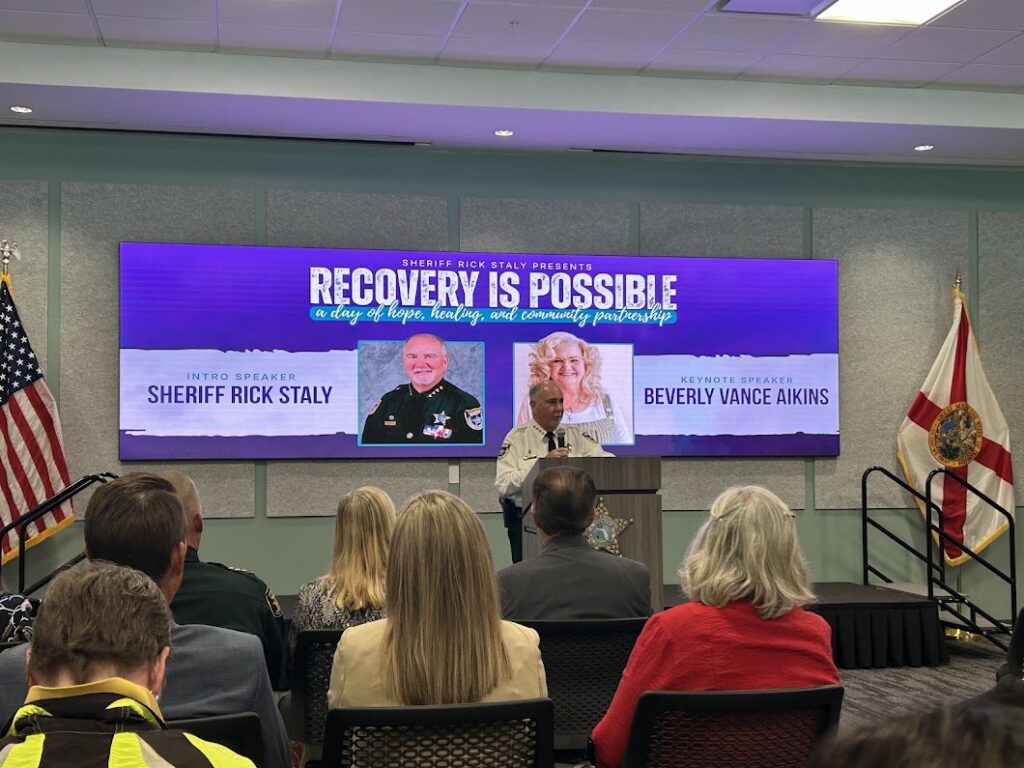
The mother of U.S. Vice President JD Vance shared experiences that included losing her nursing license, homelessness, estrangement from her children and, ultimately, finding a path forward through treatment, faith and sustained work. She identified Jan. 19, 2015, as her sobriety date.
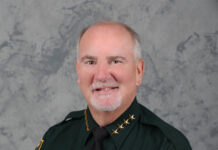
For Sheriff Rick Staly, her ability to reach people came from the honesty of that experience.
“She identified with our inmates, with those that have recovered and become successful because she lived their life,” Staly said.
Watching participants during her earlier presentation, he saw her message connect.
“She hit a home run,” he said.
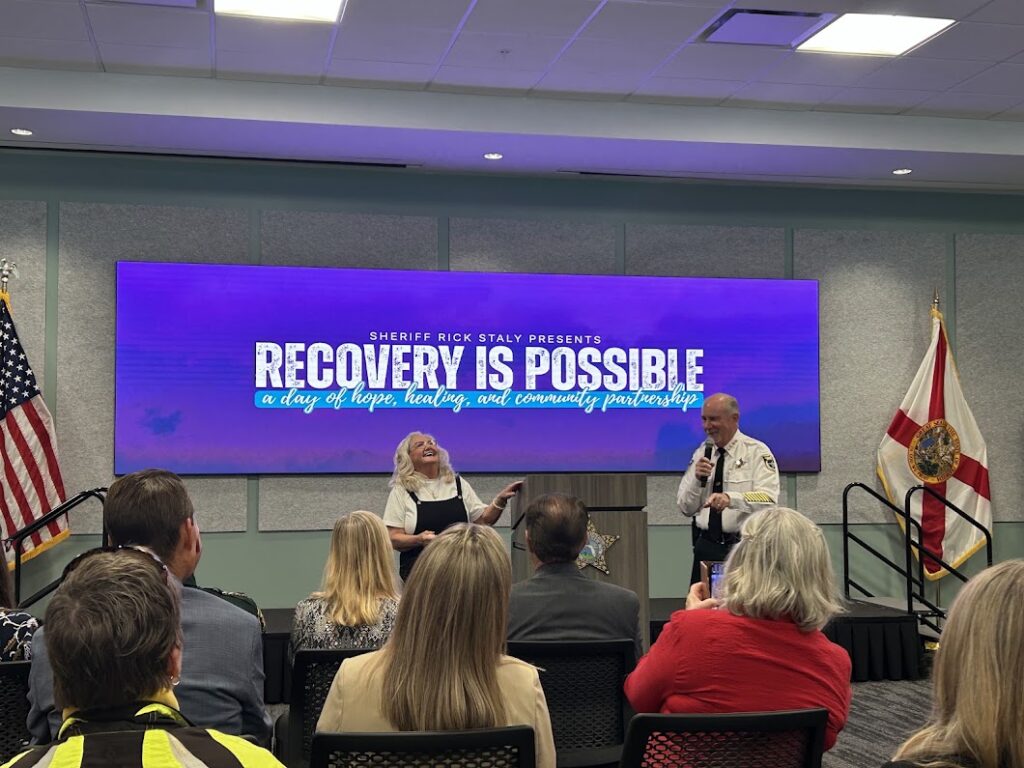
Staly introduced her story as one rooted in “lived experiences, forgiveness, healing, and a belief that no one is beyond restoration.”
Its significance extended beyond one speaker’s personal success. For people who have repeatedly attempted recovery, Aikins offered evidence that earlier setbacks do not have to determine the rest of their lives.
Daniel Engert, chief of the Sheriff’s Office’s Court and Detention Services Division, said that connection is central to the SMART program’s emphasis on peer support.
“Nobody ever woke up one morning and decided that they wanted to ruin their life and become an addict,” Engert said.
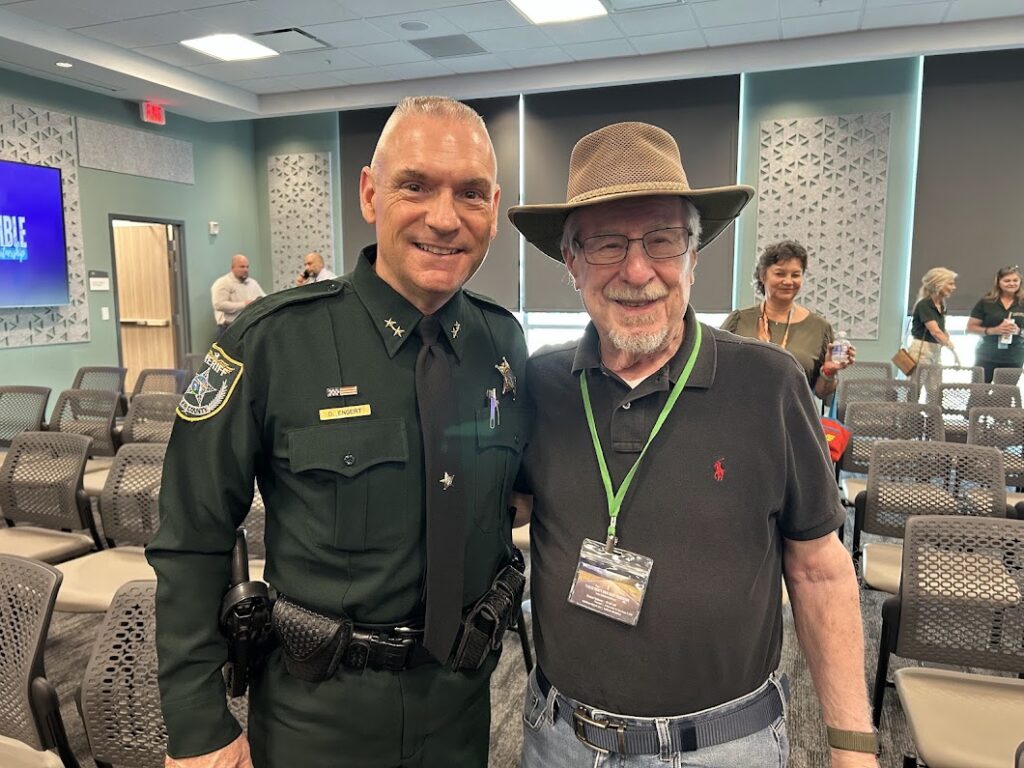
Many participants, he explained, have tried repeatedly to stop using. Hearing from someone who has survived similar struggles can help them imagine a different outcome.
“When they hear a story of somebody who made it through, it’s so powerful and impactful,” he said.
Engert described a peer advocate who can point to the jail bunk where he once slept. That shared experience gives his message immediate credibility.
“If he can do it, I can do it,” Engert said, describing the possibility such encounters offer inmates.
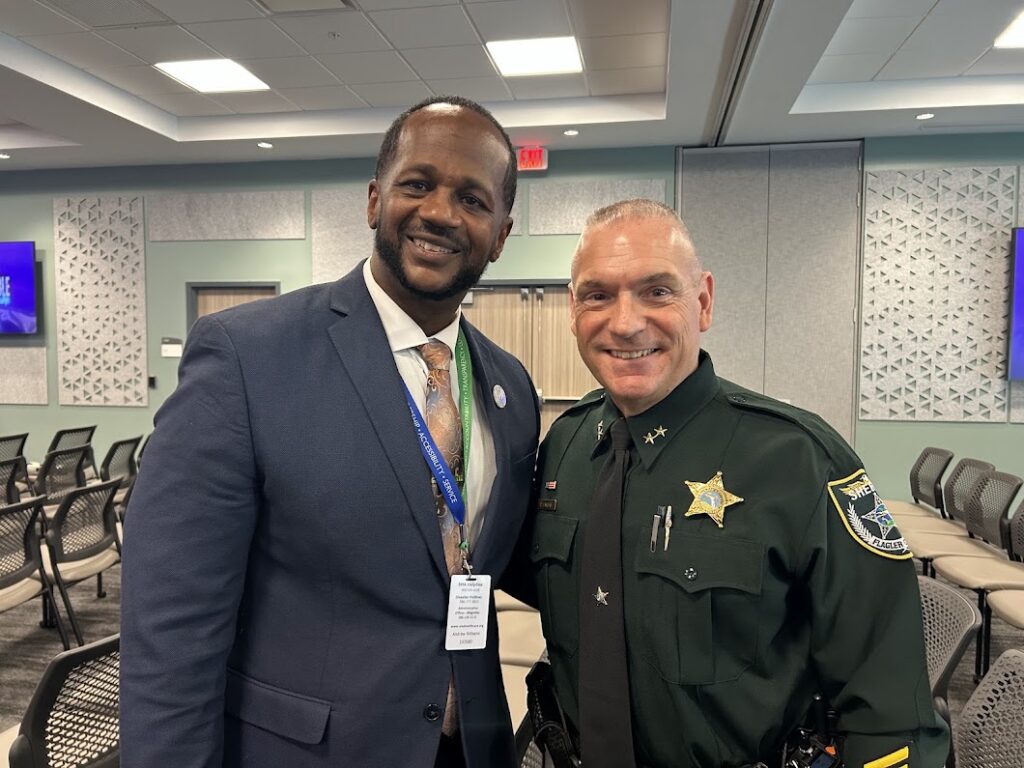
Approximately 20 to 25 SMART graduates attended Aikins’ presentation, according to Engert, including people who traveled from Pensacola and Vero Beach. Their presence allowed current participants to see people maintaining recovery years after completing the program.
The program combines peer support with clinical services, group therapy and individual counseling. Staly said that work reflects his view that a detention facility must contribute to lasting crime reduction.
“Otherwise, you just have a revolving door,” he said.
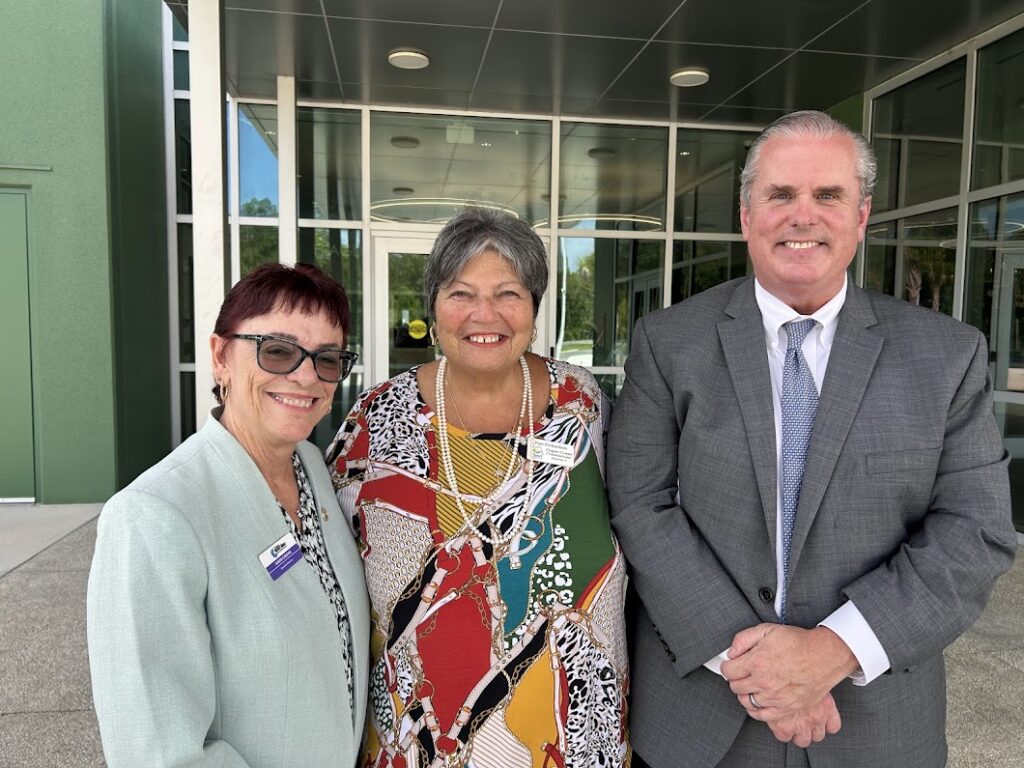
He credited both detention employees and community partners with helping people change the direction of their lives.
Aikins’ message also raised a question for the wider community: Once someone changes, will others allow them to move beyond their past?
Karen Chrapek, executive director of Volusia Recovery Alliance, said that distinction matters.
“I’m not the same person that I was 43 years ago,” said Chrapek, who described herself as being in recovery for 43 years. “And neither is she.”
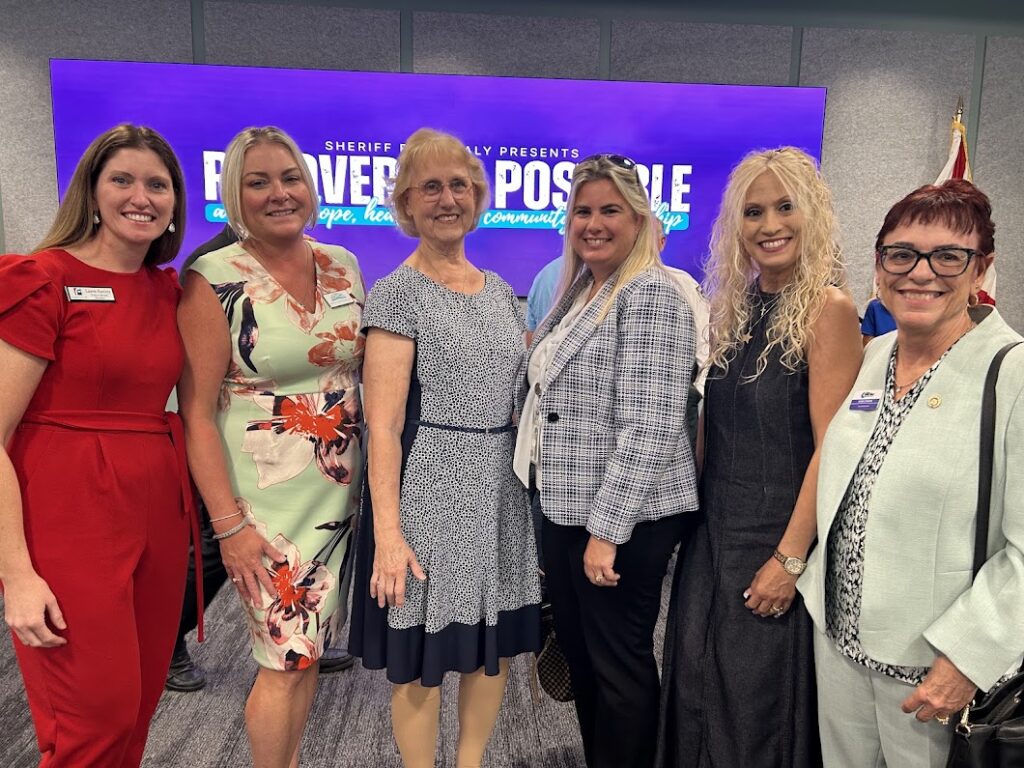
For Chrapek, Aikins’ story demonstrated that families can heal and lives can be saved. It also challenged the stigma that can keep people from seeking help.
“Millions more need the help, and stigma is one of the biggest barriers for asking for help,” she said.
Changing that begins, in part, with how people describe themselves and one another.
“When I introduce myself, I say I’m a person in long-term recovery,” Chrapek said.
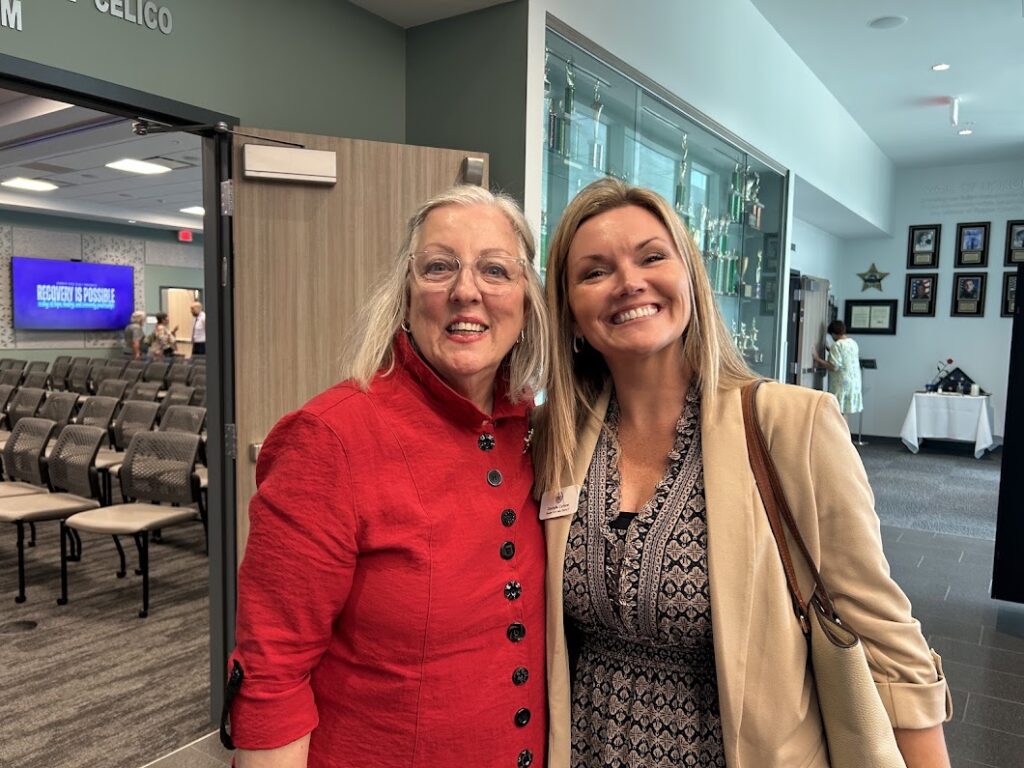
She described a life that now includes homeownership, voting, paying taxes, running an organization and employing others — everyday responsibilities that challenge assumptions about people with a history of addiction.
Attendees responded to Aikins with gratitude, personal disclosures and questions about how to support others.
One audience member identified himself as being sober for 18 years. Another asked whether she would accept a hug from a stranger.
“I absolutely would,” Aikins replied.
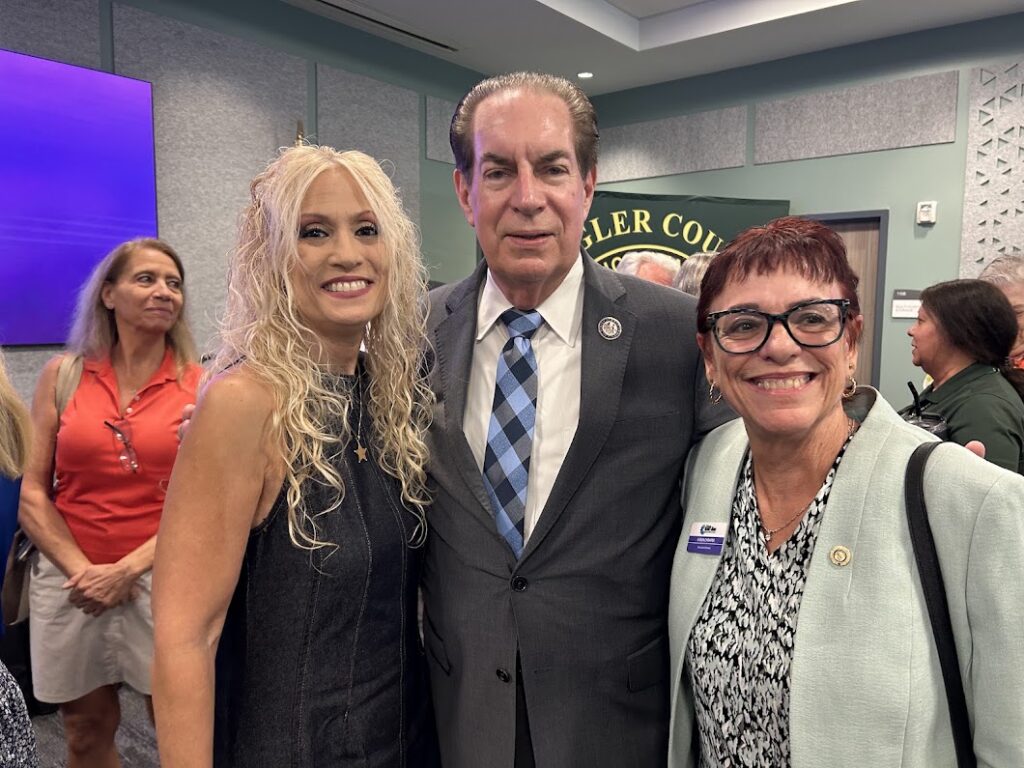
One attendee said the presentation had offered insight into helping people in trouble and giving them “the love and attention and respect that they deserve.”
Another drew attention to the financial barrier in Aikins’ own recovery story: She had needed help paying the $385 required to enter sober living after treatment. The attendee urged greater funding for others facing the same obstacle.
Dr. Joe Saviak said seeing the results of recovery can strengthen public support for the programs and partnerships that make it possible.
“The more that the community experiences the very real life-changing results,” he said, “the more you’re going to see strong support for it.”
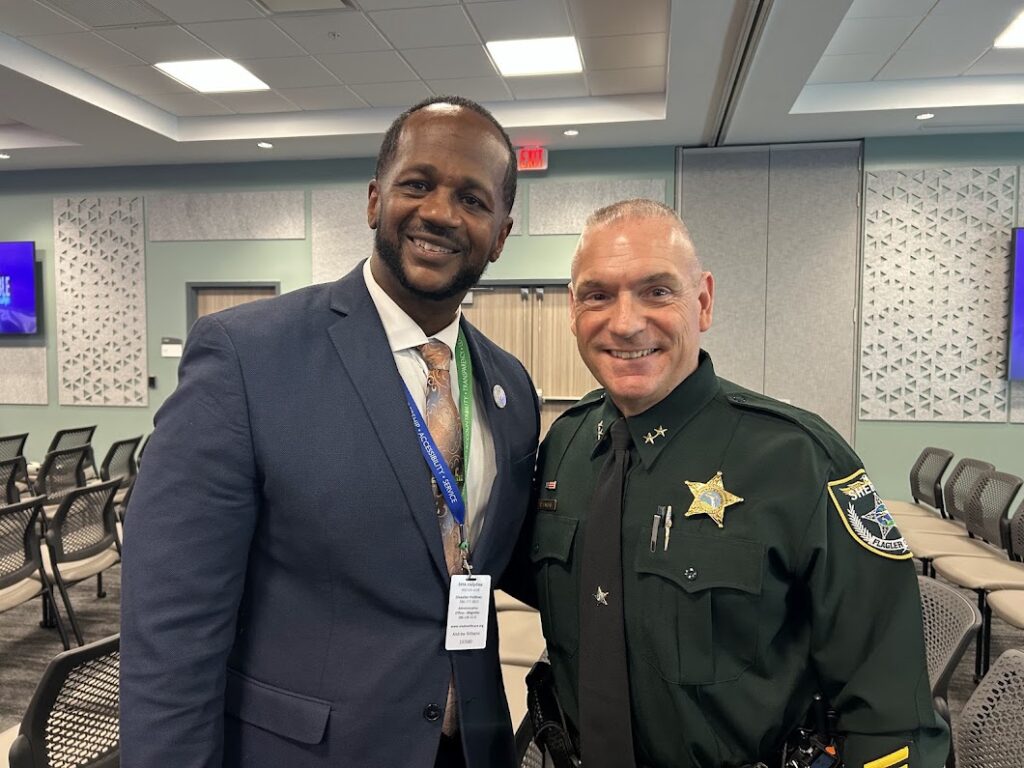
For Staly, one of the clearest examples was Aikins’ relationship with her grandchildren. During her visit, she needed to be back in time for an evening FaceTime call to tell bedtime stories.
The woman who described years of broken family trust had become a grandmother whose presence was expected and cherished.
“It’s amazing if you just look at the complete rehabilitation, really, of not only you, but your entire family,” Staly told her.
That was the promise her visit made visible: Recovery can reach beyond the person who stops using, restoring relationships and changing what a family’s future can hold.