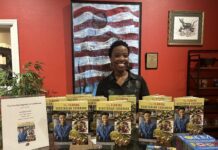
1. Tell readers about yourself and life in Palm Coast/Flagler County.
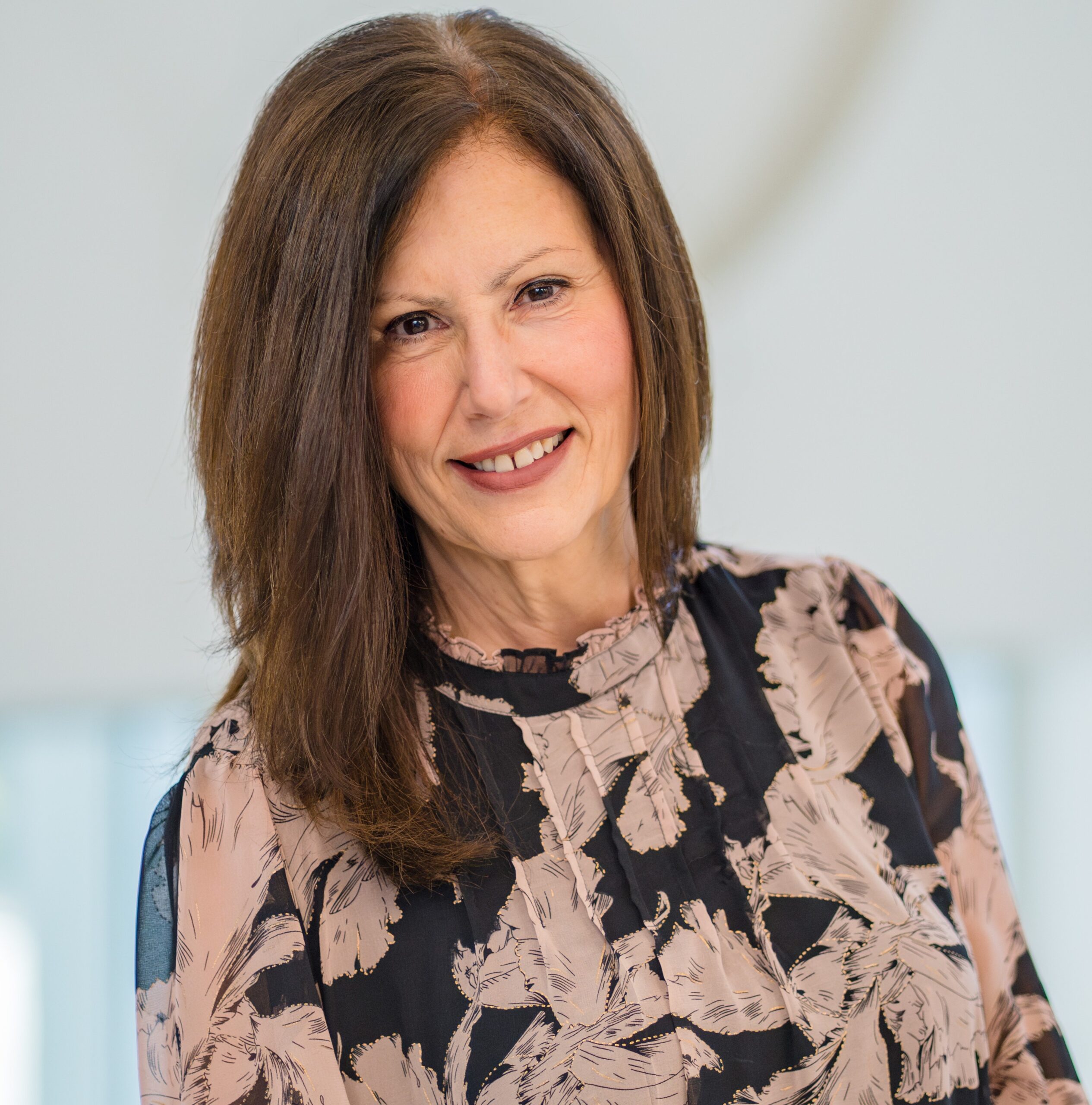
I moved to Palm Coast, Florida in 2001 after doing a lot of research to find the right place to raise my family. At the time, my daughters were 12 and 3 years old, and it was really important to me to make sure Flagler County was safe and that the schools were strong. Looking back, it was one of the best decisions I could have made.
I raised my daughters here, and I’m really grateful for that. Between the beautiful weather, the beaches, and all the trails, it’s just such a nice place to live. It still has that small-town feel, but at the same time, people really show up for each other. It was a safe place for my kids to grow up and go to school, and now both of my daughters still live here and are raising their own children, which says a lot about this community.
One of the things I love most is how businesses and the community come together to support one another. If there’s something you care about, you can find a way to get involved.
Being part of this community really led me into a lot of the work I’ve done over the years. I’ve had the opportunity to serve as President of the Flagler County Education Foundation, the Flagler Humane Society, and Flagler County Kiwanis. I currently chair the Take Stock in Children initiative and help lead the annual Mardi Gras event for the Education Foundation. When I was with Kiwanis, I also worked with the Matanzas High School Key Club.
Giving back has always been important to me, and this community has given me a lot of opportunities to do that. I’m just proud to be part of it.
2. You’ve recently picked up the banner and restarted the Alzheimer’s Council. What made this a priority for you (share your story if you are able).
What made this a priority for me was my mom.
After I moved to Florida in 2001, my mom and I made it a habit to talk every morning. We were always each other’s first call of the day.
Around 2019, I started noticing changes. Because we talked so often, it was easy for me to pick up on. She would repeat herself, sometimes within the same conversation.
At the time, I wasn’t even sure if I was overreacting. I remember questioning myself and wondering if I was reading too much into it, but in my heart, I felt something wasn’t right. It’s such a hard thing to recognize, especially in the beginning when the changes are so subtle.
As time went on and things became more noticeable, it was clear something wasn’t right, and that’s when the decision was made to move forward and get her evaluated.
In 2021, my mom was officially diagnosed with Alzheimer’s.
Over time, our daily phone calls began to change. We went from talking back and forth to her struggling to get her words out. I could hear how hard it was for her, and there were moments she would get emotional and cry. I would always try to comfort her and say, “Mommy, you listen… I’ll talk.”
As the disease progressed, she eventually became nonverbal and no longer even knew how to hold a phone. Losing those daily conversations was one of the hardest things I’ve ever experienced.
Because I was living in Florida, it was my sister Margaret, my brother Fernando, and my niece Katelynn who cared for my mom in New Jersey. They were wonderful to her, and I will always be grateful to them, but at the same time, I carried a lot of guilt not being there with them during that time.
I was fortunate enough to go visit her about two weeks before she passed. During that time, I met her caregivers, who were absolutely wonderful to her, and her hospice team, who cared for her with so much compassion. They bathed her, kept her comfortable, and treated her with such dignity. What stayed with me the most was the way they spoke to her, with such kindness and respect.
After they would leave, I took care of her myself. It was probably one of the hardest things I’ve ever had to do. I had never experienced anything like that before, and I felt helpless and very unprepared. I just wanted to do everything right for her, but I didn’t always know how.
She had mostly stopped eating by then, and I could see how much her body had changed. But looking back, I truly believe that time was meant for us. It was our final time together.
I had to come back home to Florida, and within about a week, I got the call that she had passed.
That experience changed me. I saw firsthand how Alzheimer’s affects not just the person diagnosed, but the entire family, especially the caregivers.
That is why relaunching the Alzheimer’s Resource Council became such a priority for me.
3. What would you like to accomplish through the Council?
I want to make sure families have support, education, and resources, but just as importantly, I want caregivers to feel seen and supported.
This is more than just a mission for me. It’s how I honor my mom, and it’s my way of making sure no family walks this journey feeling alone.
4. You have a distinguished board of directors. Who are they are what do they bring to the mission?
Yes, we truly do have a distinguished Board of Directors, and I’m very proud of the group we’ve brought together.
Each member brings something different to support our mission, including medical knowledge, community outreach, fundraising, and caregiver support. Everyone plays an important role in helping us serve Flagler County.
We’re especially fortunate to have a retired neurologist, Dr. Bhat, on our board who is helping lead our education. He is guiding us through the book Mayo Clinic on Alzheimer’s Disease and Other Dementias by Jonathan Graff Radford and Angela Lunde. Moving forward, at each board meeting, Dr. Bhat will walk us through the book and lead a discussion chapter by chapter. A big focus for us is helping people understand brain health and why it matters.
What really makes this board special is that every member has been affected by Alzheimer’s through a loved one. This is personal for all of us, and it brings a level of compassion and understanding to everything we do.
We’re focused on helping families understand what resources are available and how to use them when they need them most. At the end of the day, we’re just a group of people who truly care and want to make a difference in our community.
5. Do you have any events planned or activities where the community can get involved?
Yes, we do have some things planned and more coming where the community can get involved.
We’re excited to host our Relaunch Event on August 6th to reintroduce the Alzheimer’s Resource Council of Flagler County and bring people together around our mission.
We’ve also started talking with Pivotal Health Systems. They actually brought us the idea of doing a workshop together focused on education and brain health. We both agree that Alzheimer’s awareness is so important in our community and really needed. It’s something we’re excited about, and more to come on that.
I’ve recently started visiting memory care facilities and have had the chance to visit one so far, with plans to continue meeting with others throughout the county.
We’re taking a slow and steady approach. We want to make sure what we do really matters instead of just doing a lot of events that don’t make an impact.
We would also love to be part of local health fairs and community events to help educate and connect with families.
There’s definitely more to come as we continue to grow.
Our Contact information is as follows:
Email – ARCofFlaglerCounty@gmail.com
Maria Lavin-Sanhudo – President – 386-569-9041
No website yet but we are on Facebook and just joined Instagram.
Editor’s Note: Maria Lavin-Sanhudo and Dr. Bhat will be guests on WNZF’s Lifeline radio show and podcast airing July 25, 2026 at 9 am on 94.9 FM.