






































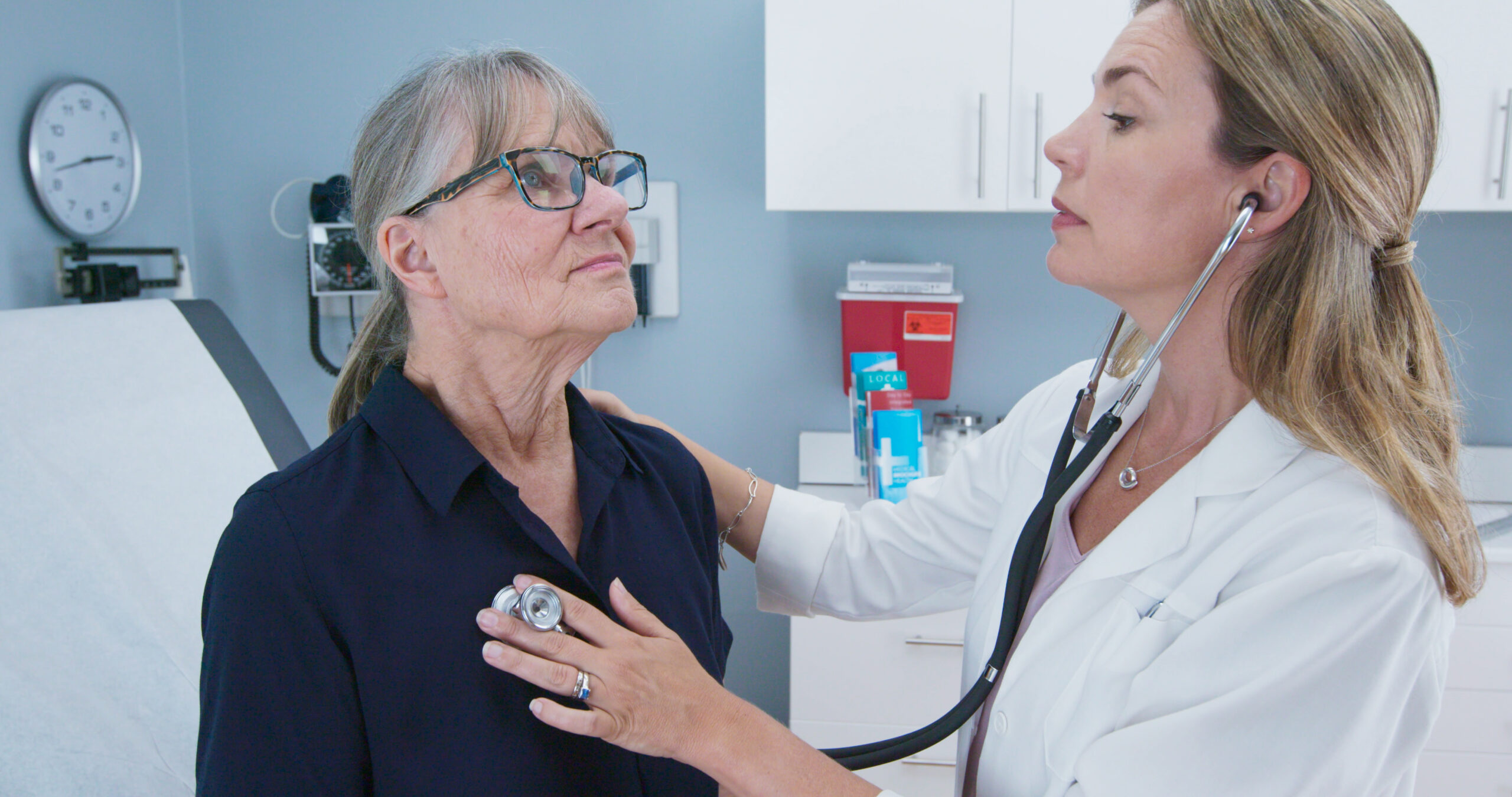
Heart disease remains the leading cause of death in the United States, responsible for roughly 1 in 5 deaths each year, according to national health data. Despite major advances in treatment, nearly half of Americans are living with heart disease or at least one major risk factor, such as high blood pressure or diabetes.
February is American Heart Month, and despite the continued prevalence of heart disease in the U.S., there is good news: Heart attack, stroke and other complications linked to heart disease can be reduced with preventive care, medication, and lifestyle changes, experts say. Yet many people struggle to manage heart disease day to day.
The key to effective care, doctors say, is to develop a personalized care plan that an individual can follow. People with heart disease or at risk for it must become invested in their care and take an active role to prevent serious complications, said Dr. Thomas Graf, vice president and chief medical officer for Florida Blue Medicare.
“A healthy lifestyle is crucial for managing heart disease,” Graf said. “Regular physical activity, a healthy diet, medication and seeing your doctor regularly are all important parts of taking care of your heart.”
Here are five tips experts recommend for patients to take control of their heart health — starting today.
-
Adopt a heart-healthy lifestyle
Regular physical activity can help lower blood pressure, improve cholesterol levels, and reduce the risk of complications. A balanced diet rich in fruits, vegetables, whole grains, and lean proteins can help manage weight and support overall cardiovascular health. It’s also important to control stress. Techniques such as meditation, yoga, or deep breathing may help.
-
Take Medications as Prescribed
Taking medications as prescribed is key to controlling blood pressure, diabetes and heart disease. Statins, for example, are commonly used to help lower cholesterol and reduce the risk of heart-related complications. Patients should speak with their doctor to determine whether statin therapy is right for them.
-
Stay up to date on preventive care
Preventive care helps identify potential issues before they become serious. Annual flu shots, routine doctor visits, and recommended screenings can play an important role in protecting heart health.
-
Plan for smooth transitions after hospital care
Coming home after a hospital stay is a vulnerable time for people with heart disease. Staying close to doctors and reporting any changes or concerns early can reduce the risk of readmission to the hospital and support recovery.
-
Health plans can help