



























FLAGLER COUNTY, Fla. – As city and county leaders consider changes to how animal control services are funded and delivered, one fact is often misunderstood: the Flagler Humane Society itself will survive financially. The organization has already made it clear that government contracts, while helpful, do not fully cover the true cost of care. In many cases, caring for animals taken in under municipal contracts costs the Flagler Humane Society more than it receives in reimbursement.
In fiscal year 2023-24 the Flagler Humane Society received $95,030 from the City of Palm Coast and addressed 1,041 stray or protective custody animals from Palm Coast. In fiscal year 2024-25 the Flagler Humane Society received $109,695 from the City of Palm Coast and addressed 1,237 from the Palm Coast.
Those are the stats.
The deeper concern is not institutional stability. It is the animals — and the level of care, safety, and expertise they receive — that stand to lose the most.
A Difference Between “Holding” Animals and Caring for Them
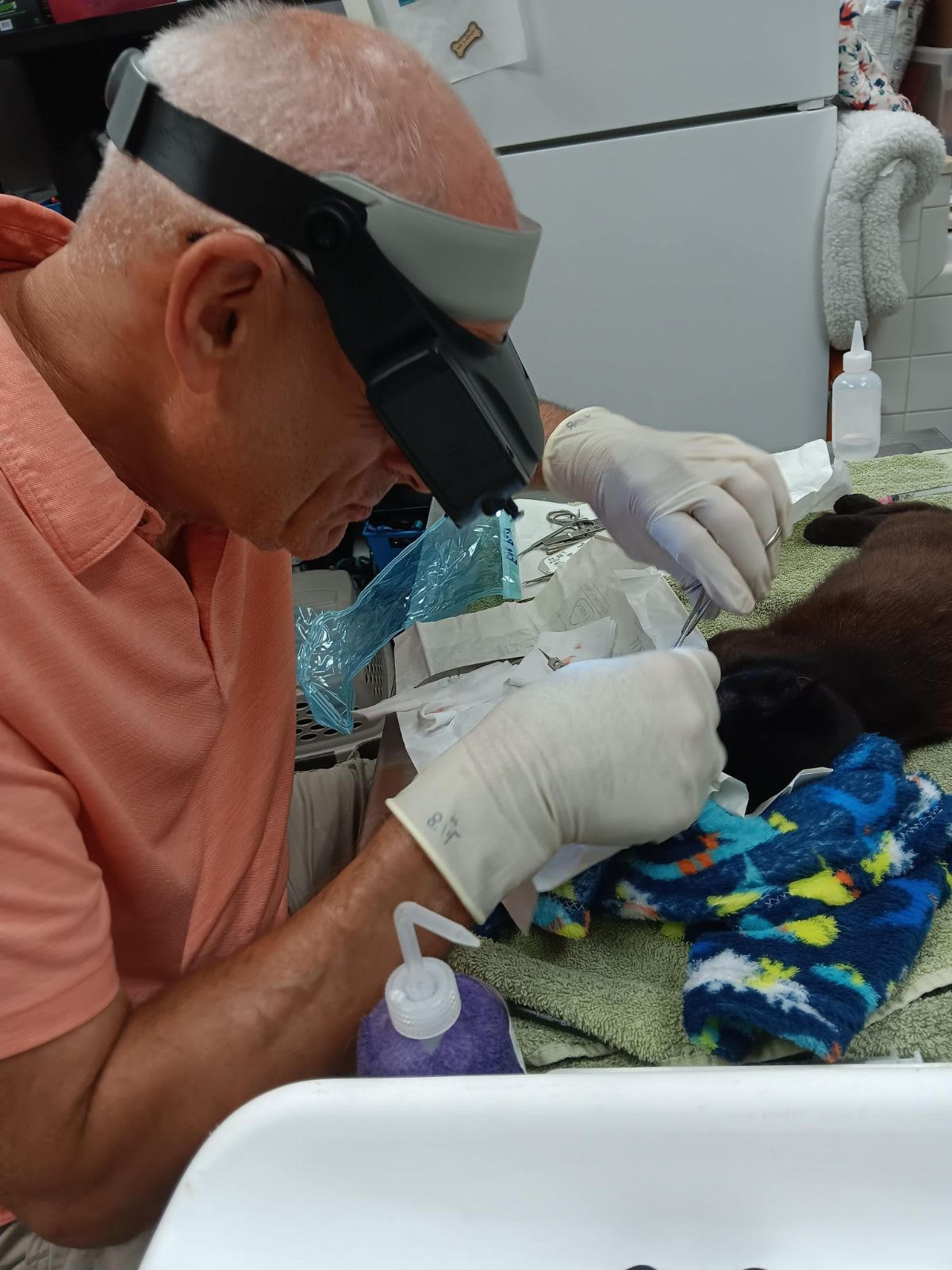
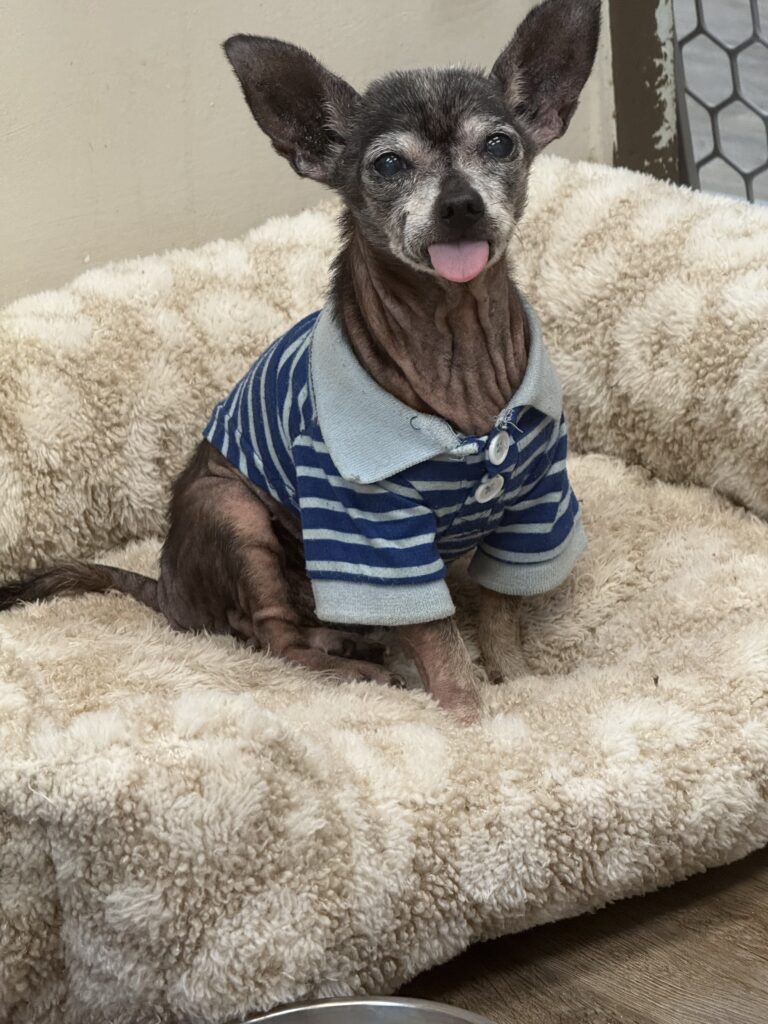
The Flagler Humane Society currently provides comprehensive animal care well beyond basic sheltering. Animals entering the facility receive medical evaluations, vaccinations, testing, treatment for serious illnesses, and, when appropriate, surgical intervention. This includes care that many facilities do not offer at all.
For example, cats diagnosed with Feline Infectious Peritonitis (FIP) were once automatically euthanized in shelters nationwide. Today, the Flagler Humane Society treats these cats successfully, despite the significant cost. The same is true for heartworm treatment, broken bones, severe injuries, and chronic conditions.
Under proposed changes, the new city- or county-funded facility may function primarily as a holding location for stray animals, without on-site veterinary staff or the infrastructure needed to provide advanced medical treatment. Without that capacity, animals with treatable conditions could face euthanasia simply because care is unavailable or be forced to suffer to avoid the shelter being labeled a kill shelter.
Dangerous Dog Cases and Public Safety Risks
Another critical concern is the handling of dangerous dog cases. These cases are complex, time-consuming, and legally sensitive. Dogs involved in bite incidents often must be held for mandatory rabies observation periods, sometimes for months, while legal appeals play out.
During that time, animals require daily care, enrichment, and safe handling by trained professionals. The Flagler Humane Society employs staff experienced in managing aggressive or dangerous animals while minimizing stress and risk. If not contracted with the Flagler Humane Society to mange these animals, who will take on the responsibility?
Without this expertise, municipalities may find themselves unprepared for the realities of animal control, putting both staff and the public at risk.
Facility Safety Matters — Especially in Emergencies
The Flagler Humane Society operates out of a hardened, hurricane-rated facility with concrete construction, fire suppression systems, storm shutters, alarms, and a full backup generator. Animals remain safe during storms, power outages, and emergencies.
Proposals under discussion appear to model the new facility after shelters in significantly poorer counties, some of which are already overcrowded. Designs include metal buildings, indoor-outdoor kennels without air conditioning, limited medical space, and minimal cat housing.
In Florida’s summer heat — and during hurricane season — these conditions could be dangerous or even deadly for animals. Theft is also a documented issue at open-air shelters.
The Often-Overlooked Animals: Cats, Wildlife, and Others
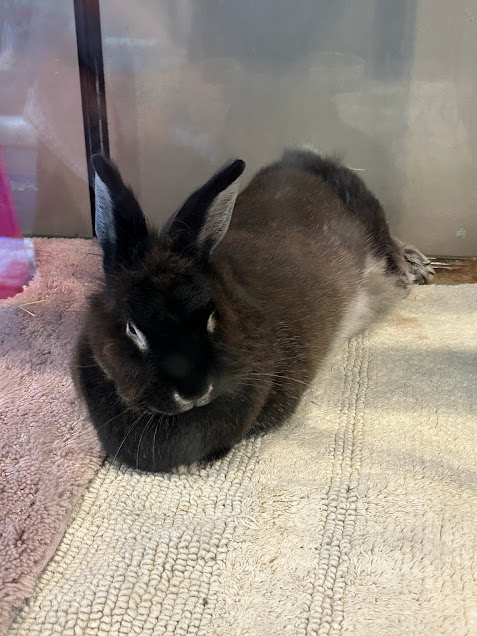
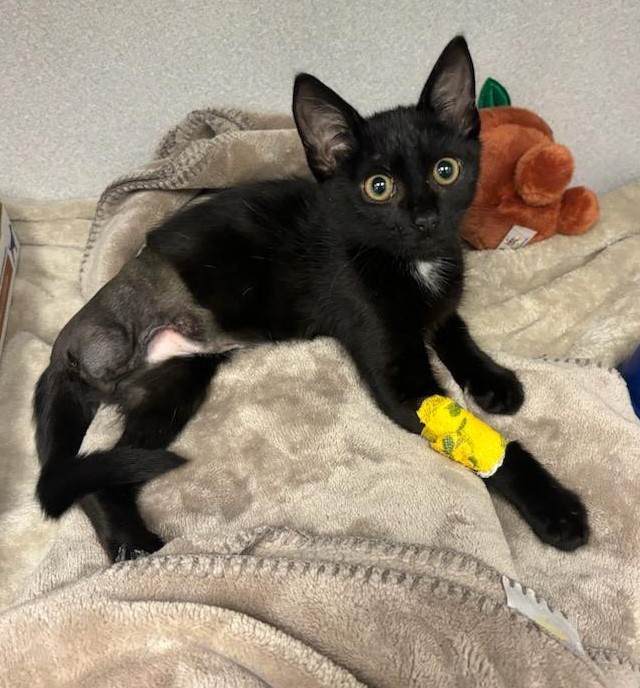
Public debate around animal shelters often centers on dogs, but dogs are only part of the picture. Did you know the Flagler Humane Society handles cats, kittens, rabbits, and a wide range of injured and orphaned wildlife? The organization routinely transports wildlife to licensed rehabilitation centers across the state when needed.
City officials have already stated that wildlife would not be part of any new animal control operation. That raises troubling questions about what happens to injured wildlife if no partnership is maintained. Without intervention, animals may suffer and die, or members of the public may attempt rescues themselves, increasing the risk of rabies exposure and serious injury.
Experience Cannot Be Replaced Overnight
Animal sheltering is not simply “playing with puppies.” It requires decades of institutional knowledge, medical judgment, legal compliance, and emotionally difficult decision-making. The Flagler Humane Society’s leadership and staff have spent their careers doing this work.
Yet current planning efforts have included little to no input from shelter professionals, while relying heavily on activists and former volunteers with limited operational experience. That imbalance raises concerns about whether decisions are being driven by emotion rather than evidence.
What Happens to the Flagler Humane Society?
If funding is redirected, the Flagler Humane Society will pivot. Services such as low-cost veterinary care, spay and neuter programs, community clinics, education initiatives, and medical outreach will continue — and may even expand.
Staffing would eventually adjust through natural attrition as intake numbers decrease. No immediate layoffs are expected.
But the animals currently served under municipal contracts — particularly strays, cruelty cases, dangerous animals, and wildlife — may not find the same level of care elsewhere.
A Choice with Long-Term Consequences
The question facing city and county leaders is not whether the Flagler Humane Society will survive. It will.
The real question is whether the community wants to replace an established, medically equipped, hurricane-safe, professionally staffed animal welfare system with an untested alternative that may offer less care, less safety, and fewer options for the animals who need help most.
Once that expertise and infrastructure are lost, rebuilding it will take years — and the animals cannot afford that delay.